
 English
 简体中文
简体中文











近日,美国罗德岛海源渔业部门宣布启动废旧玻璃钢渔船用于海洋渔业养殖项目。
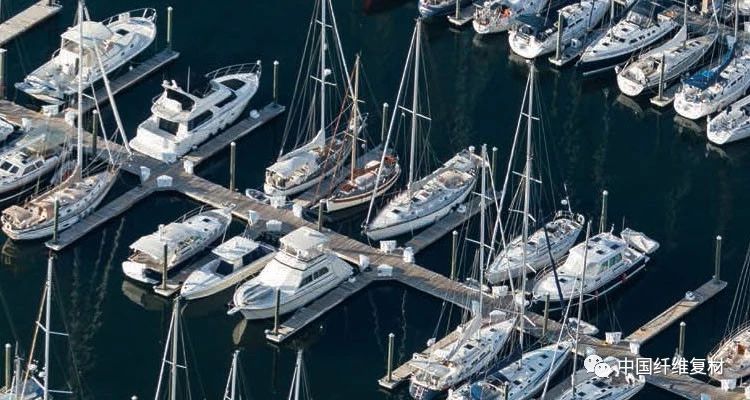
据统计,在2003-2012年间,美国大约有两百万艘游船游艇退役,相当于每年21000艘。与此同时,欧盟沿海每年的退役游艇数量大约在6000-9000艘。目前,这些退役游艇有的是被压碎并掩埋在垃圾填埋场,有的则直接被遗弃在陆地或沿海地区,由此带来生态环境破坏问题。
该项目将与当地船厂合作,开展60-100吨级别的玻璃钢船舶的拆解和加工工作,并与政府有关部门合作,确保整个过程满足卫生、健康及安全等方面的要求,同时对项目进行持续跟踪,统计和分析项目的经济效益和市场前景,并对有关产业政策提出意见和建议,以帮助和促进整个美国及玻璃钢船舶及其它容器类制品的回收再利用。
原文如下:
Rhode Island Marine Industry Moving Forward with Fiberglass Boat Recycling Project
Last week, the Rhode Island Marine Trades Association (RIMTA) announced the launch of the Rhode Island Fiberglass Vessel Recycling Project to look into the dismantling and re-processing of glass fiber hulls into cement as an alternative to landfill. Back in May, RIMTA and Rhode Island Sea Grant received a grant from 11th Hour Racing for the project.
RIMTA says that between 2003 and 2012 it around two million recreational craft (an average of 210,000 per year) were retired in the US, according to surveys by the National Marine Manufacturers Association. While members of the European boating industry suggest that coastal nations in the EU retire between 6,000 and 9,000 recreational vessels annually. According to the association, some craft will be crushed and buried in landfills, while others may be abandoned by their owners on land or in coastal areas wher they can potentially harm the natural ecosystem.
The project aims to:
o Pilot the dismantling and processing activities of 60-100 metric tons of glass fiber vessels in partnership with local boatyards
o Partner with local, state, and federal agencies to design the process to meet all health and safety requirements
o Conduct an economic analysis of the pilot program to determine long-term feasibility
o Investigate legislation and regulations necessary to support fiberglass hull recycling
o document lessons learned and develop resources to aid in glass fiber vessel recycling programs throughout the US and globally.
“We’d like to help design a system that incorporates best practices for the responsible re-use of a significant source of solid waste,” says Dennis Nixon, director of Rhode Island Sea Grant. “The small size of Rhode Island makes us the perfect test site for a potential national solution.”