
 English
 简体中文
简体中文







出版社: 施普林格科技出版社
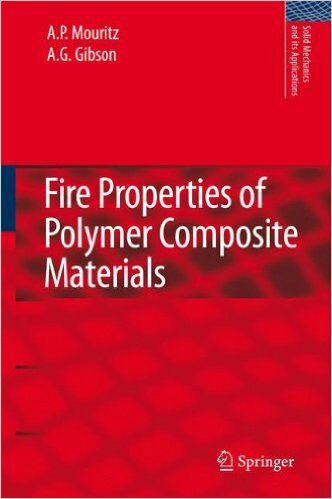
内容简介:
这是本聚焦纤维增强聚合物复合材料防火性能的专着。尽管复合材料高可燃性与耐火性差仍然是一个关键问题,但复合材料已几乎应用于每一领域。本书涵盖了复合材料火灾行为的各个方面,包括热降解机理、热软化、火灾损伤力学与力学性能劣化。也涉及复合材料的热防护材料、纳米复合材料的防火性能、消防安全法规和标准,防火测试方法和燃烧复合材料对健康的危害。
目录:
1 Introduction
1.1 Background
1.2 Fire reaction and fire resistance of composites
1.3 Composites and fire
1.4 Case studies of composites in fire
1.5 Concluding remarks
2 Thermal Decomposition of Composites in Fire
2.1 Introduction
2.2 Thermal decomposition mechanisms of organic polymers
2.3 Rate processes and characterisation of decomposition
2.4 Polymers and their decomposition processes
2.5 Fire damage to composites
2.6 Concluding remarks
3 Fire Reaction Properties of Composites
3.1 Introduction
3.2 Time-to-ignition
3.3 Heat release rate
3.4 Extinction flammability index & thermal stability index
3.5 Mass loss
3.6 Smoke
3.7 Smoke toxicity
3.8 Limiting oxygen index
3.9 Surface spread of flame
3.10 Fire resistance
4 Fire Modelling of Composites
4.1 Introduction
4.2 Thermal exposure
4.3 Modelling material fire dynamics
4.4 Structural modelling of fire response
5 Modelling the Thermal Response of Composites in Fire
5.1 Introduction
5.2 Response of composites to fire
5.3 Modelling heat conduction in composites
5.4 Modelling the fire response of composites
5.5 Modelling the thermal properties of composites
5.6 Concluding remarks
6 Structural Properties of Composites in Fire
6.1 Introduction
6.2 Laminate properties
6.3 Measurement of elastic constants
6.4 Mechanical properties as a function of temperature
6.5 Modelling of properties
6.6 Fire resistance of laminates under load
6.7 Modelling of fire resistance of laminates under load
6.8 Concluding remarks
7 Post-Fire Properties of Composites
7.1 Introduction
7.2 Post-fire properties of laminates
7.3 Modelling the post-fire properties of laminates
7.4 Post-fire properties of sandwich composites
7.5 Post-fire properties of fire protected composites
7.6 Concluding remarks
8 Flame Retardant Composites
8.1 Introduction
8.2 The combustion cycle
8.3 Flame retardants for composites
8.4 Flame retardant fillers for composite
8.5 Flame retardant organic polymers for composites
8.6 Flame retardant inorganic polymers for composites
8.7 Flame retardant fibres for composites
8.8 Fire protective surface coatings
9 Fire Properties of Polymer Nanocomposites
9.1 Introduction
9.2 Characterization of nanocomposite formation
9.3 evaluation of fire retardancy
9.4 Clay modifications
9.5 Examples of fire retardancy of polymer nanocomposites
9.6 Mechanisms of fire retardancy in nanocomposites
9.7 Future trends in fire retardancy of nanocomposites
10 Fire Safety Regulations
10.1 Introduction
10.2 Fire safety regulations for rail
10.3 Fire safety regulation for automobiles, buses and trucks
10.4 Fire safety regulations for civil infrastructure
10.5 Fire safety regulations for civilian aircraft
10.6 Fire safety regulations for ships and submarines
11 Fire Tests for Composites
11.1 Introduction
11.2 Scale of fire reaction tests
11.3 Cone calorimeter
11.4 Atmosphere controlled cone calorimeter
11.5 Intermediate-scale cone calorimeter
11.6 Ohio State University calorimeter
11.7 Limiting oxygen index test
11.8 Flame spread tests
11.9 Smoke density tests
11.10 Furnace tests
11.11 Burn-through & jet fire tests
11.12 Single burning item test
11.13 Room fire tests
11.14 Structural integrity in fire tests
11.15 Aircraft fire tests
11.16 Concluding remarks
12 Health Hazards of Composites in Fire
12.1 Introduction
12.2 Smoke toxicity test methods
12.3 Health hazards of combustion gases
12.4 N-gas model for smoke toxic potency
12.5 Health hazards of fibres
12.6 Personal protective wear against burning composite materials
12.7 Concluding remarks
Subject Index
更多信息请关注复材网www.cnfrp.com